
Pumps : free online Process Engineering Handbook
Process Engineer's Tools has selected here all the key knowledge Engineers working with fluid flow / fluid dynamics need to solve industrial problems or simply get a handy reminder when required. Bookmark the page for future reference !

PUMPS
Pump Performance characteristics
Explore the significance of pump characteristic curves, a crucial tool for pump selection and system design. Gain insights into how these curves change with varying pump speeds and fluid viscosities. Understanding these curves helps you make informed decisions about pump performance and system efficiency.
Pump Performance characteristics changes
Discover the importance of pump characteristic curves in selecting and troubleshooting pumps. Learn to approximate performance changes when altering pump speed or impeller diameter. Additionally, understand how viscosity impacts pump performance and use a viscosity correction chart for calculations.
Pump
Power Requirements calculations
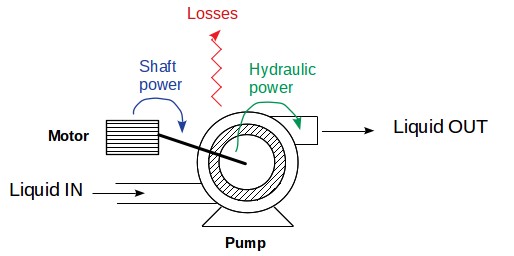
Learn about pump hydraulic and shaft power, essential for motor sizing. Calculate the hydraulic and shaft power using flow rate, head, and fluid density. Discover how to estimate installed power and access a free Excel calculator for quick and accurate power calculations.
Pump Head
Learn what pump head is, how to
calculate it, and its importance in pump characteristics.
Understanding pump head helps you make informed choices when
working with pumps.
Pump
Specific Work
Learn how to calculate the specific
work of a pump and the power gained by the fluid as it passes
through the pump. This practical guide provides step-by-step
instructions for performing these calculations and offers valuable
insights for real-world applications. Whether you're a student or
a professional in the field, understanding these concepts is
crucial for pump system design and analysis.
Pump Efficiency
Discover what pump efficiency is and
how to calculate it. Learn about the three key efficiencies -
hydraulic, mechanical, and volumetric - and how they contribute to
a pump's overall efficiency. This knowledge is essential for
selecting the right pump for your needs.
Pump NPSH
Understand pump NPSH (Net Positive Suction Head) and why it's crucial for proper pump operation. Learn how to calculate NPSH required and available, and discover the impact of insufficient NPSH on your pump's performance. This knowledge is essential for ensuring your pump works efficiently.
Pump
Cavitation
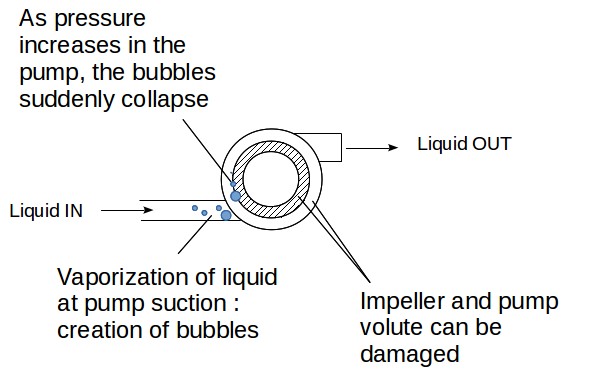
Learn about pump cavitation, a harmful
phenomenon caused by vaporization at the pump impeller's entrance.
Discover the risks and consequences of cavitation and how to
prevent it through proper design and understanding of Net Positive
Suction Head (NPSH) requirements.
Minimum flow required for centrifugal pumps
Discover why maintaining a minimum flow
rate through a centrifugal pump is essential. Learn how to
calculate this flow to prevent issues like cavitation and protect
your pump from damage.
Pumps full torque
load
Learn about full load torque and how to
calculate it for a centrifugal pump. Understand the relationship
between pump power, speed, and torque to ensure efficient pump
operation.
Top 5 Most
Popular
1. Compressor
Power Calculation
2. Pump Power Calculation
3. Pipe Pressure
Drop Calculation
4. Fluid Velocity in pipes
5. Churchill Correlation (friction
factor)
Parallel or Series operation
Learn about parallel and series pumping
for pumps. Understand how to operate pumps in parallel or series
and the associated advantages and disadvantages. Discover the
potential problems and precautions for reliable and efficient
operation.
Optimizing Industrial Operations: Mastering Pump System Efficiency for Energy Savings
Enhance your pump systems' efficiency
with practical insights. From mastering fundamental parameters to
leveraging cutting-edge technology, this page guides you through
optimizing pump performance. Explore pump curves, efficiency
mapping, and strategies like variable speed drives, right sizing,
and regular maintenance. Delve into parallel pump operation and
optimal pipe sizing. Embrace Industry 4.0 with smart monitoring
systems and choose energy-efficient pump designs for a sustainable
and cost-effective solution. Upgrade your pump systems knowledge
for improved industrial processes.
Temperature rise in centrifugal pumps
Understand temperature rise in centrifugal pumps and its impact. Learn how to calculate temperature increase at no flow, low flow, and normal operation. Avoid pump damage with our calculation tools in both US and SI units. Ensure optimal pump performance and prevent thermal issues.
Twin
screw pump guide : Design, Applications, and Maintenance
This guide covers the essential aspects of twin screw pumps, including their design features, operational advantages, and versatility across industries like oil and gas, food and beverage, and chemical processing. It explains the key factors in sizing, the ability to handle fluids with varying viscosities, and maintenance tips to ensure long-term reliability. The document also provides solutions for common issues, emphasizing the pump’s unique capabilities like self-priming, reverse operation, and dry running tolerance.
Centrifugal
Pumps Shut Off Head calculation
Insightful analysis of centrifugal pump shut-off head, detailing its definition, determination methods, and associated risks. It highlights the importance of manufacturer-certified pump curves over empirical estimations and discusses thermal, mechanical, and hydraulic risks of near shut-off operation. Practical examples illustrate shut-off head calculations and safe operating times, emphasizing the need for accurate data and testing to ensure pump reliability and efficiency. Key takeaways include prioritizing certified data, quantifying thermal risks, and identifying stable operating envelopes through comprehensive testing.